LASIK Laser Eye Surgery — Say Goodbye to Glasses
Affordable
Why 10,000+ Patients Trust Us for LASIK Surgery
According to the World Health Organization (WHO), at least 2.2 billion people worldwide live with vision impairment, making it a major global health concern. Modern treatments such as LASIK eye surgery have significantly improved the correction of common refractive errors like myopia, hyperopia, and astigmatism, offering a safe and effective solution for many individuals—though not all vision conditions can be treated with LASIK.
NABH Accredited
20yr Experience
Expert Doctor Care
Excellent Services
Book Free Consultation
Book Appointment or Video Consultation online with top eye doctors
What Eye Problems Does LASIK Surgery Fix?
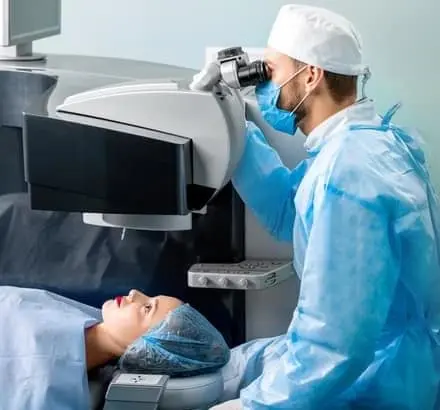
LASIK is a 10-minute, painless surgery that helps you get rid of glasses and contact lenses permanently. LASIK is effective at treating refractive errors such as nearsightedness, farsightedness, and astigmatism:

Myopia (Near Sightedness)
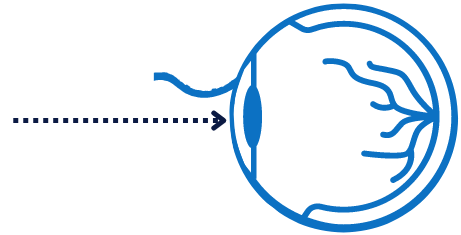
If you struggle to see distant objects clearly—like road signs, classroom boards, or faces far away—you may have myopia (nearsightedness). In this condition, nearby objects appear clear, but distant ones look blurry, often causing eye strain or headaches.
LASIK corrects myopia by gently flattening the cornea, allowing light to focus properly on the retina instead of in front of it. This helps you see distant objects more clearly without glasses or contact lenses.

Hyperopia (Far Sightedness)
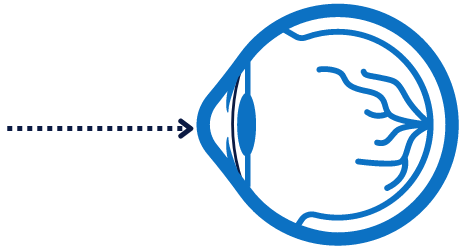
If you find it difficult to focus on nearby objects—like reading a book or using your phone—you may have hyperopia (farsightedness). While distant vision may seem fine, close-up tasks can lead to blurry vision, eye strain, or headaches.
LASIK treats hyperopia by making the cornea slightly steeper, helping light focus correctly on the retina. This improves your ability to see nearby objects more clearly.

Astigmatism (Irregular Cornea)
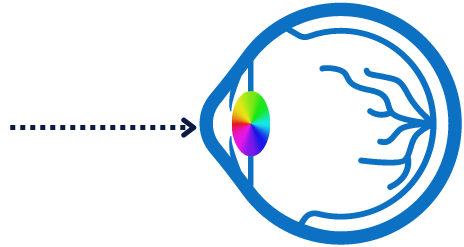
If your vision appears blurred or distorted at all distances, or you notice glare and halos around lights (especially at night), you might have astigmatism. This happens when the cornea is not perfectly round, causing light to scatter unevenly.
LASIK corrects astigmatism by reshaping the cornea into a more regular, smooth curvature, allowing light to focus evenly on the retina and improving overall clarity of vision.
How is LASIK Surgery Done? — Step-by-Step Procedure
We offer the finest and safest surgical procedure for specs removal, as confirmed by our Lasik eye surgeons. Flap-based (PRK) and Flapless (PRK) are the two most common methods of performing Lasik operations.

Flap-Based Procedure
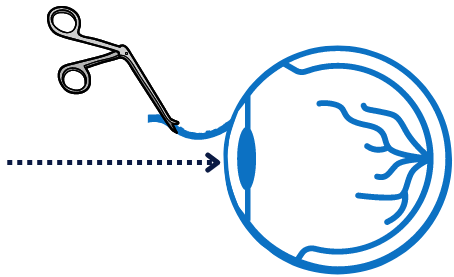
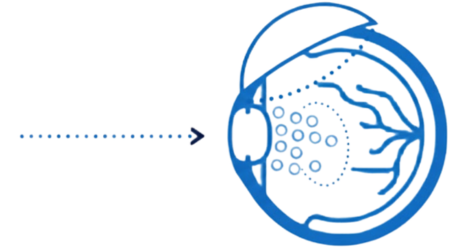
- Uses a microkeratome or a Femto Laser to create a very thin corneal flap.
- The flap is pushed back to reveal the underlying tissue.
- Reshaping the cornea with an excimer laser in a unique pre-determined pattern

Flapless Procedure
- Uses a laser to cut through the epidermis (outer layer of the eye) of the front eye tissue layer (epithelial).
- The cornea is reshaped using an excimer laser.
- However, this is the most secure technique, but it takes 1-2 days longer to heal.
The entire procedure takes less than 10 minutes per eye. Most patients can see clearly within 24 hours. You are awake during the procedure but feel no pain.
With Our Doctors, You Get the Right LASIK Care!
Welcome To EyeMantra Eye Care
Types of LASIK Surgery We Offer
LASIK is a well-established procedure for correcting bad eyesight. If you’re tired of depending on glasses or contact lenses, modern vision correction procedures can offer a long-term solution. LASIK and related technologies are safe, precise, and widely performed, with millions of successful outcomes worldwide.
At EyeMantra, we offer a range of advanced, customized treatments—because the right procedure depends on your eye condition, corneal thickness, and lifestyle.

Standard LASIK
If you’re looking for an effective solution for common vision problems, Standard LASIK may be suitable for you.
In this procedure, a thin flap is created on the cornea, and an excimer laser is used to reshape the cornea so light focuses correctly on the retina. The flap is then repositioned, allowing natural healing.
It’s a well-established technique that delivers reliable results for many patients with myopia, hyperopia, or astigmatism.

Femto LASIK (Bladeless LASIK)
If you prefer a more advanced, blade-free option, Femto LASIK could be ideal for you.
Instead of using a blade, this technique uses a femtosecond laser to create the corneal flap, offering higher precision and safety. The reshaping step is then performed with an excimer laser.
This results in better accuracy, faster visual recovery, and reduced risk of complications compared to traditional methods.

SmartSurfACE (Touchless LASIK)
If you have thin corneas or dry eyes, and are not suitable for flap-based LASIK, SmartSurfACE may be the right choice.
This is a completely touch-free, flapless, and minimally invasive procedure that combines PRK and TransPRK techniques. No blade and no flap are involved.
It offers gentle treatment, smooth healing, and improved comfort, making it one of the most patient-friendly surface procedures available.

ICL (Implantable Collamer Lens)
If your power is very high or you are not eligible for LASIK, ICL can be an excellent alternative.
In this procedure, a biocompatible lens is placed inside your eye, between the iris and natural lens, without removing any corneal tissue.
ICL provides sharp, high-definition vision and is especially beneficial for patients with high refractive errors or thin corneas.

CLEAR NEO (ReLEx SMILE Advanced)
If you want the latest, minimally invasive laser technology, CLEAR NEO (based on SMILE) is a great option.
This is a flapless procedure where vision is corrected through a tiny incision, preserving corneal strength and reducing dryness.
It offers quick recovery, minimal discomfort, and highly precise results, especially for patients with active lifestyles or higher power.

PRK (Surface Laser Treatment)
If you are not suitable for LASIK due to corneal thickness or other factors, PRK is a trusted alternative.
In PRK, the outer layer of the cornea is gently removed, and an excimer laser reshapes the cornea. A temporary healing lens is placed to support recovery.
Though recovery takes slightly longer, PRK is extremely safe and effective, with decades of proven success worldwide.
Not sure which one suits you? Our doctor will recommend the best option after a free eye checkup.
LASIK vs SMILE vs PRK — Which Surgery is Best for You?
You’ve probably heard of various laser vision correction options like LASIK, PRK, and SMILE. Each has its own benefits depending on your eye power, corneal thickness, and lifestyle needs. Here’s a simple comparison to help you choose the best one for you:
| Feature | C-LASIK | PRK / TransPRK | SmartSurf Lasik | CLEAR NEO (ReLEx SMILE Advanced) |
|---|---|---|---|---|
| Cost (₹/Eye) | 10,000 – 15,000 | 12,000 – 30,000 | 37,500 | 60,000 |
| Bladeless | ||||
| Flapless | ||||
| Painless | ||||
| Quality of Vision | Good | Excellent | Superior | HD Vision |
| Safety | High | Very High | Very High | Maximum |
| Post-Surgery Dryness | Mild | Minimal | Very Low | Negligible |
| Tissue Saving & Corneal Strength | Moderate | Better | Excellent | Excellent |
| Recovery Time | 7 Days | 3 Weeks | 3 Weeks | 24 Hours |
| Risk of Flap Dislocation | Moderate | None | None | None |
| Suitable for Thin Cornea | ||||
| Re-treatment Possibility | Possible | Rarely Needed | Rarely Needed | Very Rarely Needed |
| Technology Used | Microkeratome Blade | Surface Laser / No Flap | Smart Touchless Laser | SMILE (Lenticule Extraction) |
| Best For | Mild to Moderate Power | Thin Cornea / Active Lifestyle | Thin Cornea / High Power | High Power / Dry Eyes / Premium Vision |
| Key Benefit | Affordable & Effective | Safe, No Flap | Touchless, Fast Healing | Most Advanced, Flapless & Painless |
Why EyeMantra is Most Trusted LASIK Hospital
At EyeMantra, we combine advanced technology, experienced surgeons, and patient-first care to deliver safe and effective vision correction. With 10,000+ successful eye surgeries, we have built a strong track record in treating a wide range of vision problems.
Our clinic is equipped with latest-generation technologies such as Femto LASIK (bladeless), SMILE (CLEAR NEO), and Contoura Vision, ensuring high precision, faster recovery, and excellent visual outcomes.
Our team of skilled ophthalmologists brings years of expertise, making your treatment both safe and reliable. We also focus on affordable and transparent pricing, with no hidden charges, so you can make informed decisions with confidence.
If you’re unsure which treatment is right for you, we offer a free comprehensive eye checkup, where our specialists assess your eyes and recommend the most suitable option based on your condition and lifestyle. With consistently high patient satisfaction and successful outcomes, EyeMantra has become a trusted choice for LASIK surgery in India.


Choose Your Procedure
Lasik is a 10-minute surgery that may be used to get rid of glasses and contact lenses.
| Eye Glasses Power | Specs Remove Procedure |
|---|---|
| -1 to -8 | C-LASIK, Topoguided LASIK, Femto LASIK, Custom Eyes (Foresight Pro) |
| -8 to -20 | CLEAR NEO (ReLEx SMILE Advanced) or ICL |
| +1 to +5 | PRK, TransPRK, SmartSurfACE, Custom Eyes (Foresight Pro) |
| +5 to +10 | ICL or RLE |
Contact Lens vs Glasses vs Laser Eye Surgery
Do you have questions about whether glasses, contact lenses, or LASIK eye surgery is the best option for you? But if you ask a number of people, read what they’ve experienced and studied, where they are in life, and who they work for, you’ll get a range of information and viewpoints.

Glasses
- Low Price, basic vision correction.
- They are available everywhere, and they help people see more clearly at a low cost. They also safeguard the eyes from harm.
- Eyeglasses are inconvenient, unattractive, and not appropriate for a variety of activities, making them prone to breaking or loss. Reading glasses are often a limited option to presbyopia. Glasses may end up costing more than Laser Eye Surgery over a person’s lifetime.

Contact Lenses
- Vision is clear, but at a steep price.
- Contact lenses can improve visual acuity and provide a greater and clearer field of vision than glasses. They are mostly invisible to the naked eye.
- Lenses can cause infections, eye damage, discomfort and redness even when they are worn correctly. They’re not right for everyone, and some people may find it difficult to cure astigmatism.They’re also the most expensive way to improve your vision in the long term.

Laser Eye Surgery
- New technique for restoring vision
- Lasik eye surgery permanently affects your eyesight and improves your vision more than glasses or contacts. It is great for sports and activities where glasses or contacts are inconvenient. It’s one of the most safe electives in the world.
LASIK Surgery Cost
The price of LASIK eye surgery varies based on the type of surgery you select. The more sophisticated the technology, the higher the price. But, the cost also reflects the expertise and experience of the ophthalmologist performing the surgery. Fewer than 10% of all eye surgeons in India have the training and experience to perform LASIK surgery.
Eye Mantra Hospital is one of the best eye hospitals in India, known for offering advanced LASIK eye surgery at affordable prices. The cost of Standard C-LASIK starts at just ₹10,000 per eye, while bladeless LASIK procedures can go up to ₹70,000 per eye. The final cost may vary depending on the type of LASIK procedure, technology used, and the complexity of your eye condition.
| Procedure | Recovery Time | Procedure Type | Suitability (High Power / Thin Cornea) | Key Benefit | Price/Eye (₹) |
|---|---|---|---|---|---|
| LASIK | Slow | Blade Flap | Basic technology | 10,000 | |
| PRK LASIK | Very Slow | Flapless | Safe, flapless procedure for thin corneas | 12,000 | |
| Contoura Vision | Slow | Blade Flap | Sharper and personalized vision correction | 25,000 | |
| EPI Contoura | Very Slow | Flapless | Flapless Contoura for high power or thin corneas | 30,000 | |
| TransPRK | Fast | Flapless | 100% touchless and safer than traditional LASIK | 30,000 | |
| SmartSurf LASIK | Very Fast | Flapless | Touchless, painless, and fast healing | 37,500 | |
| Femto LASIK | Next day | Laser Flap | Laser flap with high accuracy and quick recovery | 47,500 | |
| Custom Eyes with Foresight Pro | Very Fast | Flapless | AI-guided precision with HD clarity | 47,500 | |
| Wavelight Innoveyes | Fast | Blade Flap / Flapless | Premium laser with ray tracing | 70,000 | |
| SMILE / SILK | Fast | Flapless | Advanced lenticule-based correction | 60,000 | |
| CLEAR NEO | Very Fast | Flapless | Most advanced, painless and fastest recovery | 60,000 |
Frequently Asked Question's
LASIK is approved for the correction of nearsightedness, farsightedness, and astigmatism. LASIK surgery uses one type of laser that cuts a flap in your eye to reshape its natural shape. It’s better than refractive lens surgery because it has a decreased amount of problems and is more predictable. Furthermore, it’s more effective for patients with higher degrees of refractive error.
You are likely a good candidate for LASIK if you meet these basic conditions:
- You are 18 years or older
- Your eye prescription has been stable for at least 1 year
- You have no active eye diseases
- Your cornea is of adequate thickness
The best way to know for sure is to get a free eye check-up done. Our doctors will assess your eyes and tell you exactly which surgery suits you best.
Before coming for LASIK, prepare the following: Put the antibiotic eye drops in both eyes as directed by your eye doctor six times a day one day before surgery. On the day of LASIK, do not use scents, powder, or cosmetics on your face and eyes. One week before surgery, stop using contact lenses. It is okay to have a small amount of relaxation time with your doctor’s permission. Wash your hair on the day of LASIK so you will not feel the need to wash them for the next two or three days. Consume a regular, light meal before coming in for LASIK.
It is extremely important that you follow all of your eye doctor’s instructions before LASIK surgery. This will help ensure that the procedure goes smoothly and that you experience the best possible results. Be sure to ask your doctor any questions you may have so that you are fully prepared for the procedure.
Yes, LASIK is one of the safest and most commonly performed surgeries in the world. Millions of people get LASIK every year with excellent results. Like any medical procedure, there are some rare side effects such as temporary dry eyes, mild glare, or halos around lights at night. These usually go away within a few weeks. Serious complications are extremely rare.
No, LASIK surgery is not painful. Before the procedure begins, numbing eye drops are applied to your eyes so you feel no pain during the surgery. You may feel a very mild pressure for a few seconds, but nothing uncomfortable. After the surgery, some patients experience mild dryness or a slight burning sensation for a few hours, which goes away on its own.
It is best to avoid screens (phone, TV, laptop) for the first 24 hours after surgery. Your eyes need rest to begin healing. From day 2 onwards, you can slowly start using screens but take regular breaks and use lubricating eye drops to prevent dryness. Most patients are back to normal screen use within 2–3 days. A simple rule to follow is the 20-20-20 rule — every 20 minutes, look at something 20 feet away for 20 seconds to reduce eye strain during recovery.