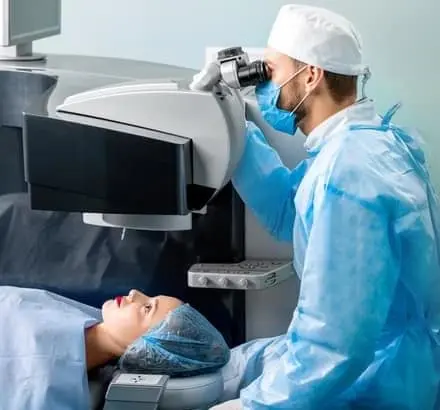
Not Eligible for LASIK? Here’s What You Can Do Next
LASIK can be life-changing, but it’s not suitable for everyone. If you’ve been told you’re not eligible for LASIK, it doesn’t mean you’ll have to rely on glasses forever—it just means you may need a different vision correction option.
Why Some People Are Not Eligible for LASIK
Not everyone is an ideal candidate for LASIK surgery. While LASIK is highly effective, certain eye conditions, health factors, and lifestyle considerations can make a person not eligible for LASIK.
The good news is that being ineligible for LASIK does not mean you cannot achieve clear vision. With modern advancements in eye care, there are multiple safe and effective alternatives available.
A detailed eye examination helps determine whether LASIK is right for you or if another vision correction option would be more suitable.
Book Free Consultation
Book Appointment or Video Consultation online with top eye doctors
Common Reasons You May Not Be Eligible for LASIK
Not everyone qualifies for LASIK eye surgery. Certain eye conditions, health issues, and lifestyle factors can make the procedure unsafe or less effective.

You may not be eligible for LASIK if you have:
- Unstable vision (frequent changes in your glasses or contact lens prescription)
- Thin or irregular cornea, which may not support the laser procedure
- Severe dry eyes, which can worsen after surgery
- Keratoconus or other corneal disorders
- Uncontrolled diabetes, which can affect healing
- Pregnancy or breastfeeding, due to temporary vision changes
- History of eye herpes infection
- Very high power beyond safe correction limits
These factors can increase the risk of complications or impact healing after surgery. That’s why your eye doctor may advise against LASIK and recommend safer alternatives based on your specific condition.
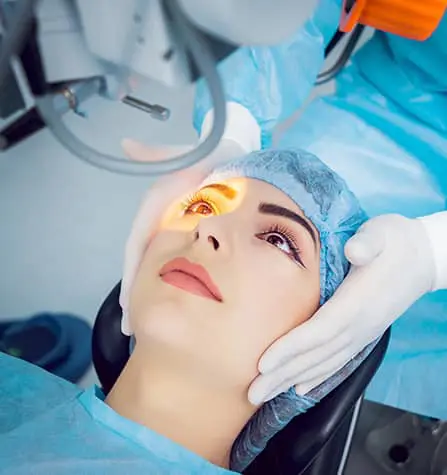

What Are the Alternatives If You Are Not Eligible for LASIK?
If you are not eligible for LASIK, don’t worry—there are several advanced vision correction options available:
- PRK (Photorefractive Keratectomy)- Ideal for patients with thin corneas.
- ICL (Implantable Collamer Lens)- Best for high power cases or thin corneas.
- C3R & INTACS- Specific treatments for those ineligible due to Keratoconus.
- RLE (Clear Lens Extraction)- Recommended for older patients or those with presbyopia.
Your eye doctor will recommend the safest and most effective option based on your condition.
Can I Become Eligible for LASIK in the Future?
In some cases, yes—you may become eligible for LASIK over time. Certain conditions that make you ineligible are temporary and can be treated or stabilized.
- For example, if your vision is still changing, your doctor may advise you to wait until your prescription becomes stable.
- Similarly, issues like dry eyes can often be managed with proper treatment, improving your chances of qualifying later.
- If you are currently pregnant or breastfeeding, your vision may fluctuate due to hormonal changes. Once things return to normal, you can be reassessed for LASIK.
The best approach is to undergo regular eye checkups. Your eye specialist can monitor your condition and let you know if and when LASIK becomes a safe option for you.
Book an Eye Checkup to Know Your Eligibility
The only way to know if you're eligible for LASIK is through a detailed eye examination. Our experts will guide you with the safest and most effective vision correction options tailored to your eyes.
Don’t guess your eligibility — get a professional opinion today.
Is LASIK Completely Unsafe for Ineligible Patients?
LASIK is a safe and effective procedure—but only for the right candidates. If you are not eligible for LASIK, undergoing the surgery can increase the risk of complications.
For example, patients with thin corneas or severe dry eyes may experience poor healing, vision disturbances, or unsatisfactory results. Similarly, underlying health conditions can affect recovery and long-term outcomes.
That’s why strict eligibility criteria exist—to protect your eye health and ensure the best possible results. Being advised against LASIK is not a limitation; it’s a precaution taken in your best interest.
In such cases, your doctor will guide you toward safer alternatives that are better suited to your eyes.
Frequently Asked Question's
You may not be eligible due to thin corneas, unstable vision, medical conditions, or eye diseases.
Yes, options like PRK, ICL, or SMILE surgery can help you achieve clear vision.
Yes, undergoing LASIK without proper eligibility can increase complications.
Yes, in some cases like unstable vision or dry eyes, treatment may make you eligible later.
It depends on your condition—ICL and PRK are common alternatives.
Yes. We recommend waiting at least 3–6 months after you stop breastfeeding to allow your hormones and vision to stabilize before an evaluation.