ICL Eye Surgery (Implantable Collamer Lens) — For Patients LASIK Can't Help
If you’ve been told you’re not a candidate for LASIK — because of thin corneas, high myopia, or extreme refractive error — ICL surgery was designed specifically for you.
Book Free Consultation
Book Appointment or Video Consultation online with top eye doctors
What Is ICL Eye Surgery? (And Who Is It Actually For?)
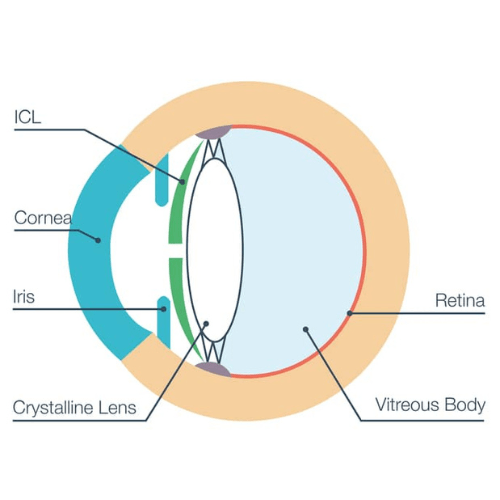
ICL eye surgery is the recommended option for patients with high refractive error (up to -20D), thin corneas, or dry eye conditions that make LASIK unsuitable. Unlike LASIK, ICL does not reshape or remove corneal tissue — instead, a micro-thin Collamer lens is placed permanently inside the eye, between the iris and natural lens.
ICLs are placed between the natural lens and iris of the eyes to treat myopia, hyperopia, and astigmatism. This lens bends light rays towards the retina, resulting in normal good vision. ICLs are similar to contact lenses that are permanently implanted in the eyes. Most ICL patients achieve 20/20 vision or better, with results that are permanent and — if ever needed — fully reversible.
ICL surgery is usually an outpatient procedure, meaning you won’t have to stay in the hospital overnight. The surgery itself only takes about 15 minutes per eye. Recovery time is also short, with most people being able to see well enough to drive within a day or two.
How ICL Eye Surgery Works (Step-by-Step)
ICL (Implantable Contact Lens) surgery is a quick, minimally invasive procedure that typically takes 20–30 minutes for both eyes combined. It is designed especially for patients who are not eligible for LASIK due to high power or thin corneas.
To make the process easy to understand, here’s how the procedure works:
Before Surgery
- A detailed eye examination is performed by an ophthalmologist to confirm your eligibility
- Measurements are taken to customize your ICL lens
- In some cases, a small opening (called peripheral iridotomy) is created a few days before surgery using a laser to maintain proper fluid flow inside the eye
- You may be prescribed antibiotic and anti-inflammatory eye drops to start before surgery
On Surgery Day
- Numbing eye drops are used to ensure a painless experience
- A small incision is made in the cornea
- The foldable ICL lens is inserted through this incision and placed behind the iris, in front of your natural lens
- The lens is carefully positioned for optimal vision correction
- The incision is usually self-healing and does not require stitches
The entire procedure is quick, safe, and performed as a day-care surgery, meaning you can go home the same day.
After Surgery
- You will rest briefly and be monitored before discharge
- Vision typically starts improving within 24–48 hours
- You’ll need to use prescribed eye drops and attend follow-up visits
- Most patients can resume normal daily activities within a couple of days
With advanced technology and expert care, ICL surgery offers a smooth, predictable experience, especially for patients who were earlier told they are not suitable for LASIK.
Benefits of ICL / Implants
ICL (Implantable Contact Lens) surgery offers several unique advantages, especially for patients who are not eligible for LASIK due to thin corneas or high spectacle power. Studies have shown high patient satisfaction rates with ICL surgery, particularly in patients with complex vision conditions where laser procedures are not suitable.

Key Benefits of ICL Surgery:
- ICL is often the best option for patients with thin corneas or high refractive error, where LASIK is not safe or possible
- Unlike LASIK, ICL does not involve cutting or reshaping the cornea, preserving the natural structure of the eye
- Ideal for patients with severe myopia who are usually rejected for laser surgeries
- Since the cornea remains untouched, ICL is less likely to cause or worsen dry eye symptoms
- Vision improvement is noticeable within 24–48 hours in most cases
- The lens can be removed or replaced if needed, offering flexibility and long-term safety
ICL vs LASIK – Which is Better for You?
Choosing between ICL and LASIK depends mainly on your eye condition, especially corneal thickness and spectacle power. Here’s a clear comparison:
| Feature | ICL (Implantable Contact Lens) | LASIK |
|---|---|---|
| Best For | High power, thin cornea, non-LASIK candidates | Low to moderate power, normal cornea |
| Eligibility | Ideal for patients rejected for LASIK | Requires sufficient corneal thickness |
| Procedure Type | Lens implanted inside the eye | Cornea reshaped using laser |
| Corneal Cutting | No | Yes |
| Power Correction Range | Up to -18D (high myopia) | Limited for very high power |
| Dry Eye Risk | Low | Higher compared to ICL |
| Reversibility | Yes (lens removable) | No (permanent) |
| Recovery Time | 1–2 days | 1–2 days |
| Night Vision | Better for high power patients | May have halos/glare in some cases |
| Thin Cornea Suitability | Yes | No |
Am I a Good Candidate for ICL Surgery?
ICL surgery is ideal for you if:
- You have been told you are not eligible for LASIK
- Your prescription is above -8D or +3D
- You have thin corneas or high astigmatism
- You suffer from chronic dry eyes
- You are between 21–45 years of age
- Your prescription has been stable for at least 1 year
Patients who do not meet LASIK criteria are often ideal ICL candidates. Our surgeons will evaluate your corneal thickness, pupil size, and anterior chamber depth during your free pre-surgery consultation.
ICL Surgery Recovery & Aftercare — What to Expect
After you have had ICL surgery, it is important to follow your surgeon’s instructions for aftercare. This will help ensure that your eyes heal properly and that you do not experience any complications. In general, you can expect to:
ICL surgery recovery is faster than most patients expect. Here's a general timeline:
- Day 1: Vision may be blurry. Rest at home, avoid screens. A follow-up check is scheduled.
- Day 2–3: Most patients notice significant improvement. Driving is typically possible within 48 hours.
- First week: Avoid rubbing eyes, swimming, or dusty environments. Use prescribed antibiotic and anti-inflammatory drops.
There are no stitches to remove and no corneal reshaping to heal from, which is why ICL recovery is considerably smoother than LASIK.

ICL Eye Surgery Cost
ICL surgery is a popular choice for people who are not eligible for LASIK surgery. It is a safe and effective procedure that can help you get rid of your glasses or contact lenses. The cost of ICL surgery at Eyemantra ranges from Rs. 50,000 to Rs. 80,000/eye. The surgery is a bit more expensive than LASIK but it is worth it if you consider the long-term benefits.
| Procedure | Key Feature | Vision Quality | Recovery (days) | Cost (per eye) |
|---|---|---|---|---|
| IPCL | Upto -30 power, 2.2mm cut, Customized | Excellent | Next day | 50,000 |
| IPCL Premium | IPCL Basic+ Better stability and clarity | Excellent | Next day | 75,000 |
| BioTech | Clarity and lower cost | High | Next day | 55,000 |
| STAAR | Upto -18 power correction, 3mm cut, 4 sizes | Excellent | Next day | 80,000 |
Why Choose EyeMantra for ICL Eye Surgery?
At EyeMantra, we focus on delivering safe, customized ICL solutions backed by advanced technology and experienced surgeons.
What Makes EyeMantra a Trusted Choice?
- Our team specializes in handling complex vision cases, including patients who are not eligible for LASIK
- We have successfully performed a large number of ICL surgeries with high patient satisfaction outcomes
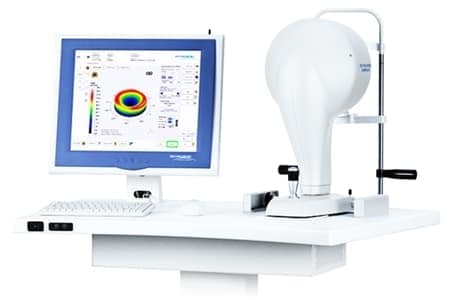
- Detailed eye mapping and measurements ensure accurate lens sizing and placement
- Every patient undergoes a thorough evaluation to determine the safest and most effective approach
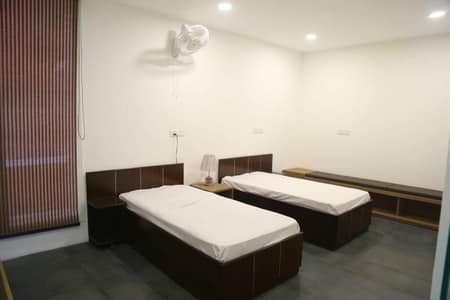
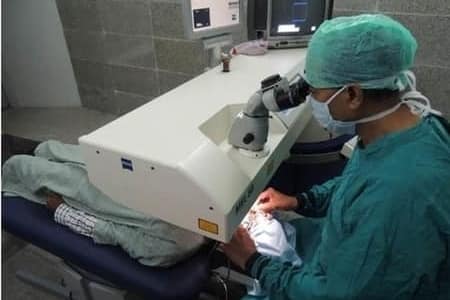
- Surgeries are performed in modern, sterile operation theatres with global safety standards
- From consultation to post-surgery follow-ups, we ensure complete support at every step
If you’ve been told “LASIK is not suitable for your eyes,” our experts can help you explore whether ICL surgery is the right option for you. Book your consultation today and take the first step toward clear, confident vision.





Top ICL Surgeons
Eye Surgeons at Eyemantra are experienced and skilled in performing the most delicate of eye surgeries with utmost care and precision. Our surgeons are some of the best in the country and have years of experience in successfully performing a wide range of surgeries. No matter what kind of eye surgery you require, you can be assured that you will receive the best possible care at Eyemantra. We use the latest technology and equipment to ensure that all our surgeries are performed safely and effectively. We also have a team of experienced support staff who are always on hand to answer any questions you may have.

Cataract, Retina, Glaucoma, LASIK

Cataract, Cornea

Cataract, Squint, Oculoplastic

Cataract, Retina, Glaucoma
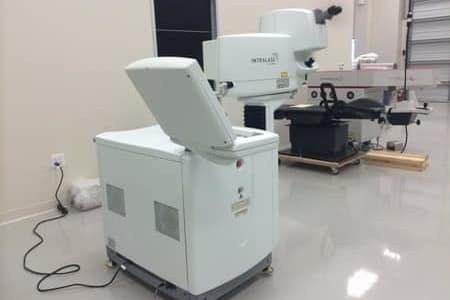
Our ICL Surgery Setup — Technology & Safety Standards

Frequently Asked Question's
ICL (Implantable Collamer Lens) surgery involves placing a permanent micro-lens inside the eye without removing or reshaping corneal tissue. Unlike LASIK, ICL is suitable for patients with thin corneas, high prescriptions, or chronic dry eyes — people who are typically not eligible for LASIK.
You may be an ideal ICL candidate if your prescription is higher than -8D or +3D, you have thin corneas, you’ve been rejected for LASIK, you have dry eyes, or you’re between 21–45 years of age with a stable prescription for at least 12 months.
ICL is designed to be a long-term, permanent solution. However, unlike LASIK which permanently alters your cornea, ICL is technically reversible — the lens can be removed or replaced by a surgeon if needed in the future.
No. Local anesthesia is administered before the procedure. Most patients feel mild pressure but no pain during the surgery. Post-surgery discomfort is minimal and managed with prescribed eye drops.
Yes. Toric ICL lenses are specifically designed to correct astigmatism alongside myopia or hyperopia. This makes ICL one of the most comprehensive vision correction options available.
A comprehensive pre-surgical eye exam measures your corneal thickness, prescription strength, and anterior chamber depth. If your corneas are too thin or your prescription is too high for LASIK, your surgeon will typically recommend ICL as the safer, more effective option.